
Why I Gave Up On GrapheneOS
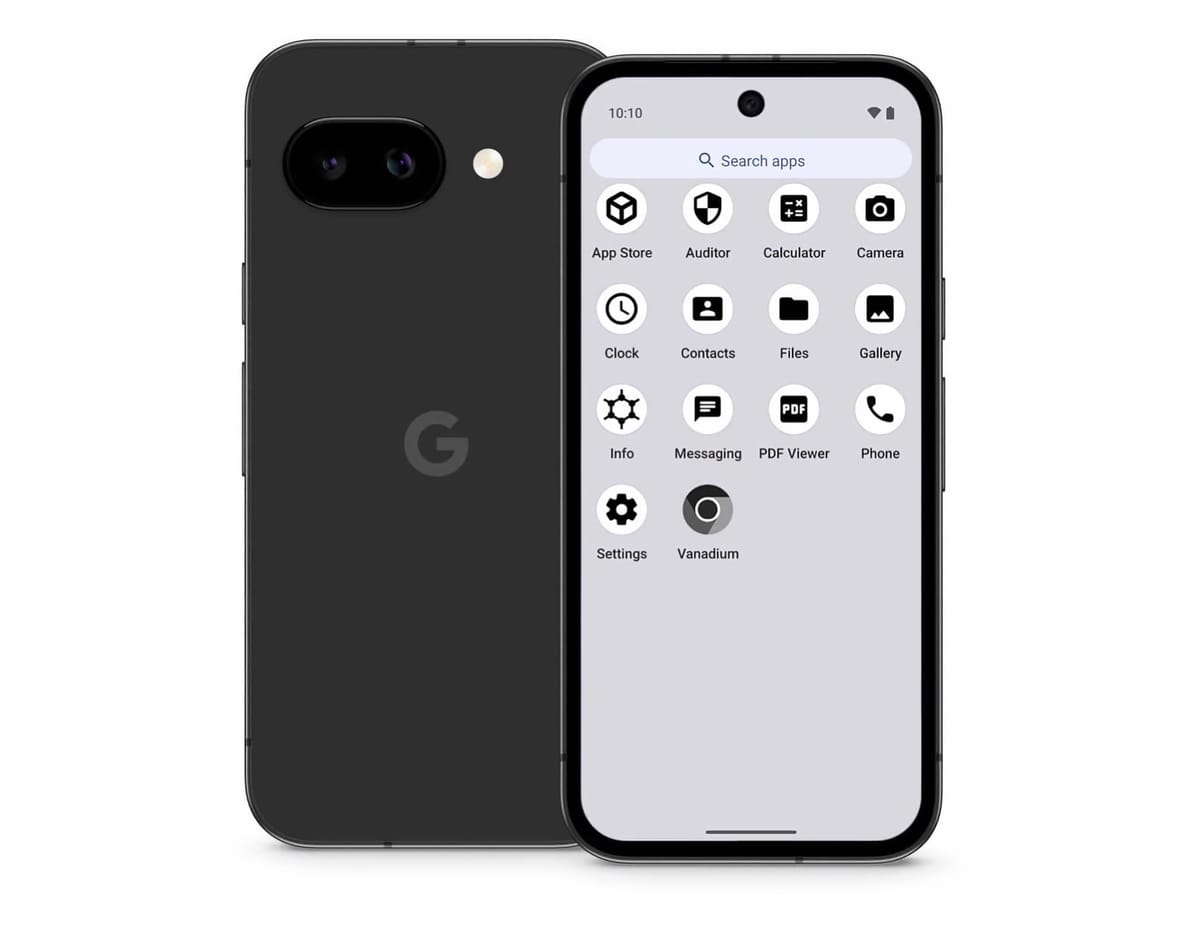
After a month with the Pixel 9a, I am back to the iPhone.
I am very critical of those who do reviews only after a week or a month of using a phone and trying to provide a thorough recommendation if a phone is good or not. You can also make this same criticism for me if you want, since after a month I am not only back on the iPhone but writing about why I did.
The only difference that I hope those reading this will take into account is that I moved to the Pixel 9a not to do a review, but to see if I could move to a more secure setup and still have the same functionality that I need from a phone. This post isn't about Android versus iOS, but instead my trying to see if I could get a phone that feels more mine plus due to Tim Cook's behavior (also) I wanted to see if moving away from the iPhone was possible.
So this post is going to be specific to me and my experience in using GrapheneOS on the Pixel 9a. I understand some who do use GrapheneOS are okay with the sacrifices that you endure, but for me this experiment ultimately showed me that either Android or GrapheneOS is just not something that I am ready for.
Why the Pixel 9a?
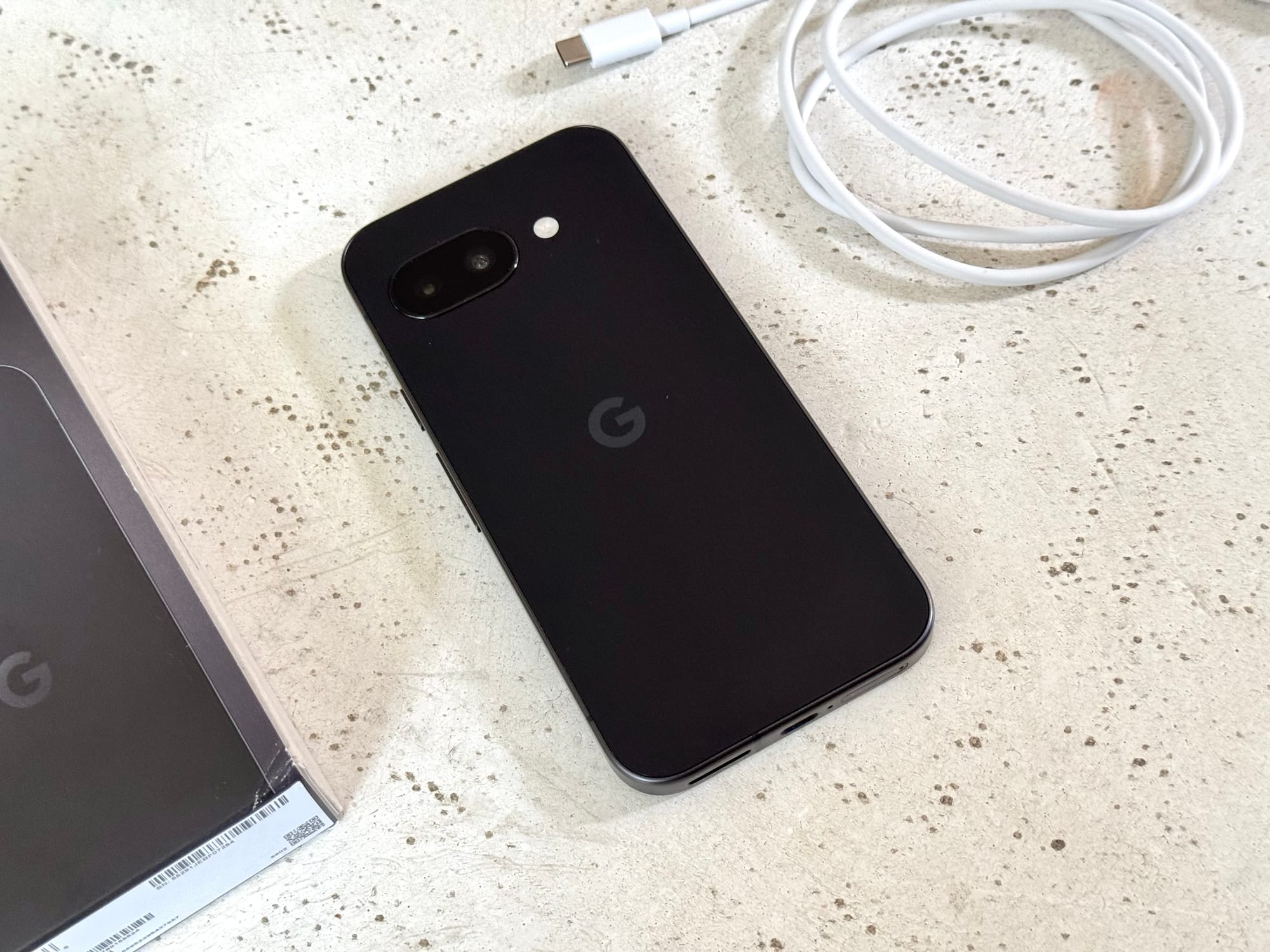
There are a few reasons why I went for the Pixel 9a. The main reason is that GrapheneOS only works on Pixels. The other reasons are price and the 9a's design. When I bought the Pixel 9a from Google, it was on sale for $400 which is an amazing price for a brand new phone that has similar, and sometimes better, features than my iPhone 15 Pro Max.
I also was really drawn to the non-camera bump on the back, and that continues to be one of my favorite things about this device. The overall design of the Pixel 9a I did truly like. The plastic back didn't bother me, and the aluminum sides and size of the device felt good. Even though I have loved the Max iPhone for a while now, I think having a smaller, but still bigger, device is the way to go.
I am not going to go over all the specs, but one last thing that I will mention is that even though the 9a bezels were a little large, the fact that it had an OLED screen with 120 Hz Refresh Rate on a $400 phone is plain ridiculous. The value for what you get for this device is pretty great, and with Apple also giving the iPhone 17 some of these same features, I hope this trend continues.
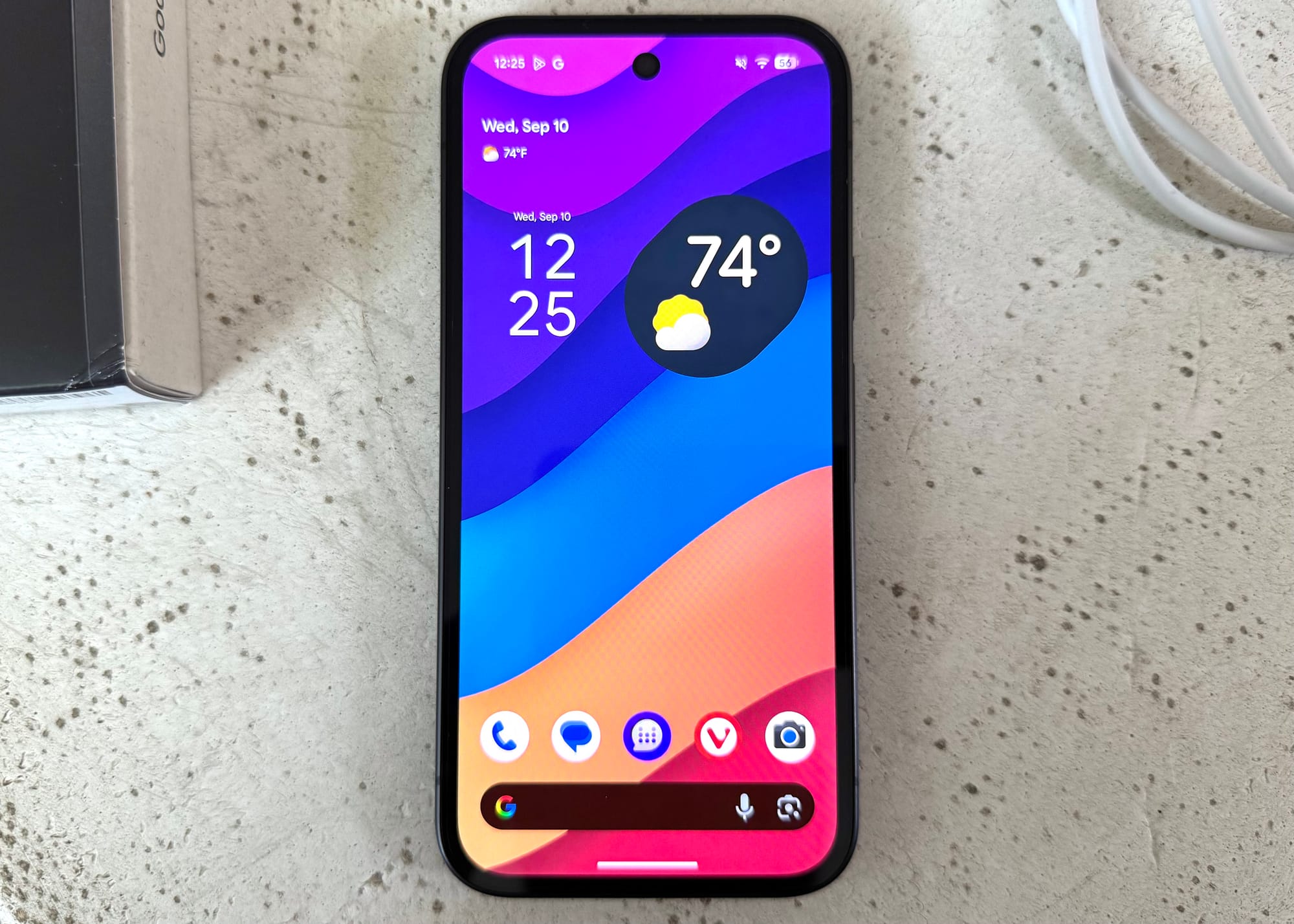
The main reason I chose a Pixel though was not only because it is Google's own phone, which I think if you are going to test a switch from Apple's phone to Android, it makes sense to go with Android’s creator’s flagship device, but was GrapheneOS only supports the Pixel devices.
Like I mentioned in my Geeks Everyday Carry 2025 post, GrapheneOS is a fork of Android's open source project (AOSP), without Google Services or the Play Store automatically installed and baked into the OS. It also provides a lot more security features that stock Android 16 just doesn't provide – like data scopes, scrambled MAC address when connecting to WIFI, or automatically turning off Bluetooth and WIFI.
If you want to also install Google Play Services and the Google Play Store GrapheneOS makes it really easy to install. The other benefit is that these services are sandboxed from the rest of the OS, so though it can and needs to run for certain apps to run, the data collected isn't the same as using stock Android. I am no security expert, or an expert on GrapheneOS, but if you want to learn more about these security features I recommend checking out the website I linked below.
What happened?
So why didn't this experiment work? The Pixel 9a is not the culprit here, and if I did trust Google more, I probably would have been fine just using the stock Android 16 on the Pixel and would have been happy with the device. But since that was my only option, and I will go over why shortly, I would prefer to use an iPhone since I trust my data and security with Apple more than I do Google.
We can have a huge debate on what is really secure between the two and I am sure many of the things that I think are safe on the iPhone may have some form on Android 16 as well, but if I look at both companies (ignoring Tim Cook and his bending the knee to our current President) even though I think Apple is getting closer and closer to Google's business model with focusing on services revenue, I still think Apple isn't going to use my data like Google will and has.
Like I said, we can debate this and I welcome any commentary regarding how Google uses customers’ data, but this is something I have researched enough to feel more strongly that my data on an iPhone is more secure than with Google. This includes using iCloud Photos versus Google Photos, messaging, iCloud, and other personal data like Health.
I am currently using DuckDuckGo as my search engine, and moved from Gmail to Proton Mail for my email. This has been a long time coming in trying and moving to more secure offerings than to continue to give my data to Google that I don't trust with my data long term. I know most of the data is used for Ads and I am sure Google's Gemini AI models, but either way I am more comfortable moving away from Google as much as possible.
With all that said, let’s get back to what happened; even though I am a Geek and love tinkering with shit, GrapheneOS just became a headache after a while. Though cameras aren't the most important thing on a phone, and in the past you will see I don't really go over cameras much in previous reviews because the photos I take usually don't get printed or used for anything outside of just looking at them on my phone later.
But the stock camera app on AOSP is garbage. Not because of the app per se, but without the Google AI and processing, images just don't look good coming out of the Pixel 9a camera without any kind of processing. This experience made me realize how important my camera is, even if I don't print them, since I have photos now of my kid’s first day of school that are grainy and not that great – luckily my wife was there with her iPhone 15 Pro so we do have some good pictures.
The other area that drove me to quit GrapheneOS is SMS and RCS. For some reason I was under the assumption that RCS worked in an SMS app through the wireless carrier. This is my fault and me being pretty ignorant to RCS so I don't fault GrapheneOS directly for that, but it is disappointing how I had to go back to just SMS (and MMS) if I wanted to text message people without having to use Google's offerings.
So, instead of just giving up on GrapheneOS because of the camera and messaging, I decided to just bite the bullet and install Google Services so I could use the Pixel Camera and Google Messages to get better photos and RCS. The justification for me was that even though I was letting Google get some of my data, since it was sandboxed and everything else I was doing on my phone was installed outside of the Play Store, I still felt like I was more secure and private than just reinstalling Android 16.
Of course, this still didn't go great. After installing the Pixel Camera app and after taking my first photo in the app, I was told by the app that it couldn't store my photos unless I had Google Photos installed. This is not only annoying, but again it is giving Google more data. I installed Google Photos and turned off the backup services in hopes that that would still give me some privacy.
At this point, my camera situation was handled, I didn't like it, especially since having Google Services running (sandboxed) and the Pixel and Photos app communicating with Google Services felt like I had already breached my privacy-desired phone. Regardless, I didn't jump ship right away and just appreciated the better photos coming out of the Pixel 9a camera.
Next was Google Messages. This felt like another easy win until I realized RCS was not working. No matter how many times I tried verifying my phone number, it just would not connect. I even restored the phone to the stock Android 16 from Google to make sure it wasn't my carrier causing issues, but it connected right away with no issues.
So going back on GrapheneOS and looking through a ton of GrapheneOS forums and GrapheneOS reddit threads, I realized that the reason Google couldn't connect my phone number to their services to allow RCS was because GrapheneOS was not allowing my Device Identifier to be seen by Google Play Services.
Without going into the weeds too much, my understanding is since Google couldn't verify my device it wouldn't allow me to connect. So, I decided again that instead of jumping ship I would just allow this other thing for Google to have access to and see if it was worth the sacrifice to continue to use a more locked down OS -- even though the barriers of privacy felt like they continued to break down.
I followed the steps in a GrapheneOS forum to adb into my device and I allowed Google Play Services and the Google Play Store to see my device identifier. After a couple of uninstalls and reboots RCS magically started to work. And to be honest, it felt great. RCS really does change the game when it comes to using an Android phone with a ton of family members and friends who still have iPhones.
Sending pictures back and forth is great, tap backs worked flawlessly. The only thing I got from some was the green bubble hate (but mostly out of love, many didn't really care) and the random group message threads that took time to clear up. But for two weeks everything was great and smooth sailing. Until it didn't.
After sending messages back and forth in a family group I realized that I could no longer send a message in that group and the message at the bottom said it was because RCS was no longer available. Great. I tried reconnecting, resetting my phone number with Google, and tried revalidating and nothing seemed to work. I restored GrapheneOS and did the steps before to allow the device identifier for Play Services and Play Store and it started working again, for two days.
After the second time RCS just stopped working and I couldn't get it working again (unless I am assuming restoring GrapheneOS again) I gave up on Google Messages and decided to just use the SMS app again. I backed up my messages from Google Messages, deleted the app and restored my messages to the default AOSP messages app.
Once the restore was finished I went to my messages to test it out, and realized all of my group messages were messed up. Not only did I have random people included in messages for 2FA codes, but random people were added to group messages with my family, wife and friends. This scared me to be honest. I went to my contacts and checked some people to see if maybe the phone numbers got mixed up somehow but it wasn't my contacts, for some reason after restoring it just scrambled a bunch of people into random messages that I could not find any rhyme or reason for.
So I deleted all the messages, in fear something might be sent to someone that I did not want them to see, and decided to boot back my iPhone and take a break from the Pixel 9a. This may seem abrupt and my fear of thinking something went wrong may have clouded my view of the situation a bit. But after all the compromises, RCS issues, and then this message restore situation, I was done trying to figure it out.
What's next?
Well, what's next is I bought an iPhone 17 Pro. I wasn't planning on buying one, but after seeing that one would be available at launch at my local Apple store, I decided to go ahead and use my credit card to try it out. I don't know yet if I am going to keep it, but what I am going to do is stick with the iPhone going forward for a while.
I installed Android 16 beta on the Pixel 9a after deciding to no longer use it as my main device, and I really do think Android is great. There are many things on Android that I really like, the back button or gesture is really great, but when it comes to privacy, I would rather use a phone that has those features backed in, instead of trying to tinker my way through it with GrapheneOS.
I am a hypocrite. I am not denying that me purchasing a new iPhone, on launch day, from a company whose CEO continues to be a suck up to someone I despise. Not only that, as I mentioned in my previous post, Apple doesn't have the greatest track record for humanity and its treatment towards developers. I have defended Apple for a long time in some of these areas and I am starting to feel like there is no longer defending that I can do.
But we live in the real world. We buy things every day that come with consequences and sacrifices. One person on my last post suggested I pick up a Fairphone and that is actually fair, if these things truly mattered to me then that would be the direction I should go. Unfortunately like I said earlier, I am a hypocrite. I like the iPhone and the 17 Pro is a better version than my 15 Pro Max which is why I want to try it.
Does this mean I will never try Android or GrapheneOS again? No. I still desire a more private and personal phone that I can make my own. My main computer currently is an old ThinkPad running Linux, which I keep saying I am going to post about and I promise it is coming, and I love that it feels more personal to me and has removed any desire to buy a MacBook.
The ThinkPad and Linux is why I wanted to try out GrapheneOS and an Android phone, since that experiment of not needing a MacBook was successful. I still have an iPad Pro that I truly love, and continue to use most of the time, and when it comes to my phone it is something that is not only very personal, but important that it works and provides the things I need it to do.
I tried with GrapheneOS, and I will try again in the future. But for now I realized I am just not ready for Android, but hopefully in the future I will be.